Lesson
Manage Customer Data with User Profiles
Consolidate User Information in One Place
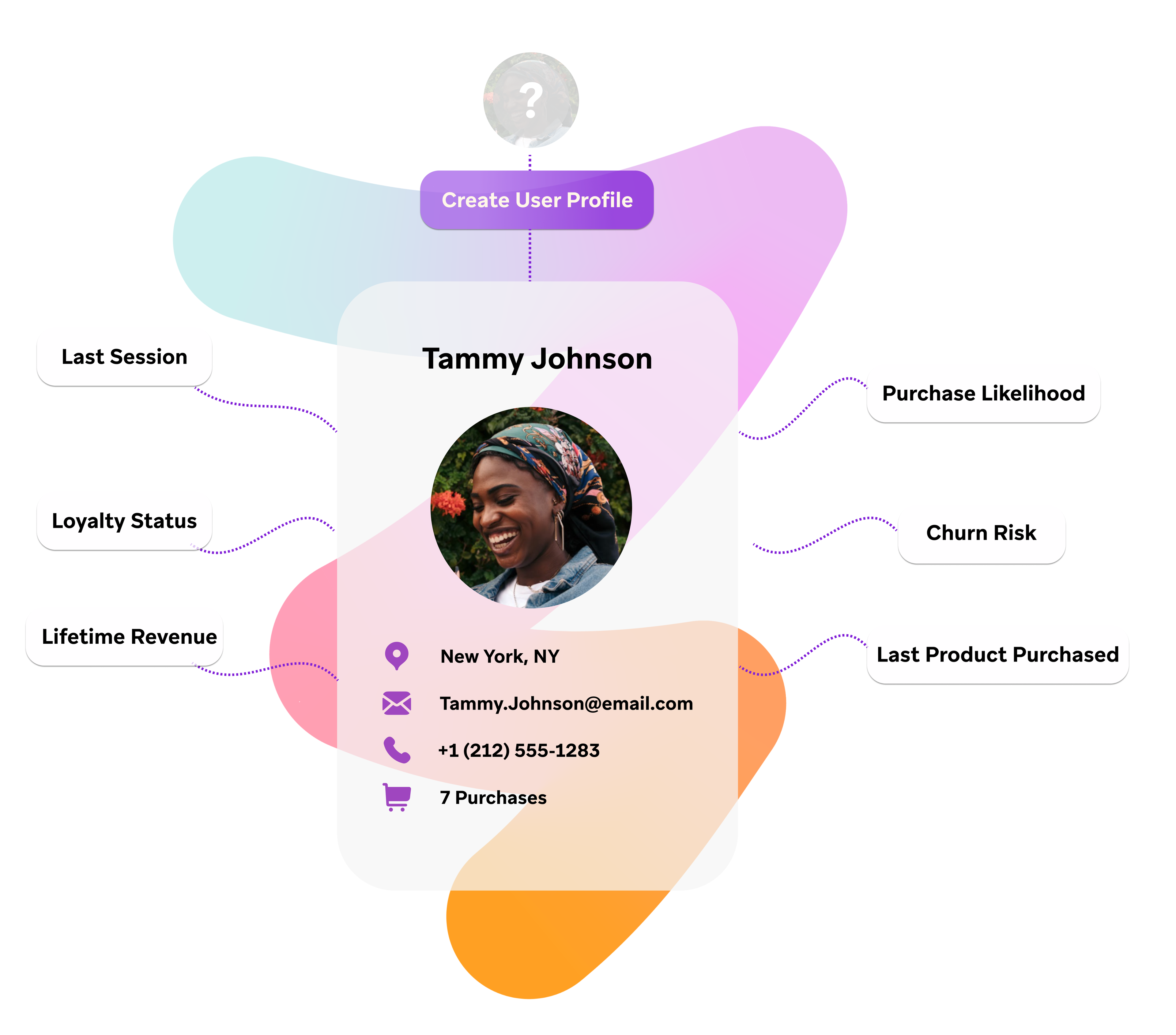
The user profile in Braze is a key part of building personalized customer experiences. It's a personal file that keeps track of information about each of your users.
| Term | Definition |
|---|---|
| User Profile | A user profile in Braze is a comprehensive view of an individual user. All persistent data associated with a user is stored in their user profile. This data can include standard attributes like first name, last name, email, phone number, and location, as well as custom attributes that are specific to your app or business. User profiles are used to personalize and optimize your customer engagement efforts. |
A user profile can store data about an individual user’s:
- behaviors
- campaign interactions
- personal characteristics
- device
…and other information that is valuable to your brand and can help you design more impactful experiences for your audience.
See the Big Picture
Instead of seeing customers as just data points, the Braze user profile provides a more human-centric perspective on understanding your audience.
Watch
In the following video, learn more about Braze user profiles and the data they hold.
Key Takeaways
- The user profile is a crucial component of the Braze platform, storing valuable customer information to design impactful experiences.
- Braze treats customers as individuals, with each user profile detailing the rich history of a user's interactions with your brand.
- User profiles can include a user's name, location, subscription status, and other demographic or behavior data tracked by your brand.
- User profile data can be used to trigger action-based messages, personalize message content, segment groups of users, and more.
Example: Preference Data
Since user profiles store comprehensive information from multiple sources, they are an important source of information for crafting meaningful messages. Select each tab to review an example of how preference data is stored – and activated – in a user profile.
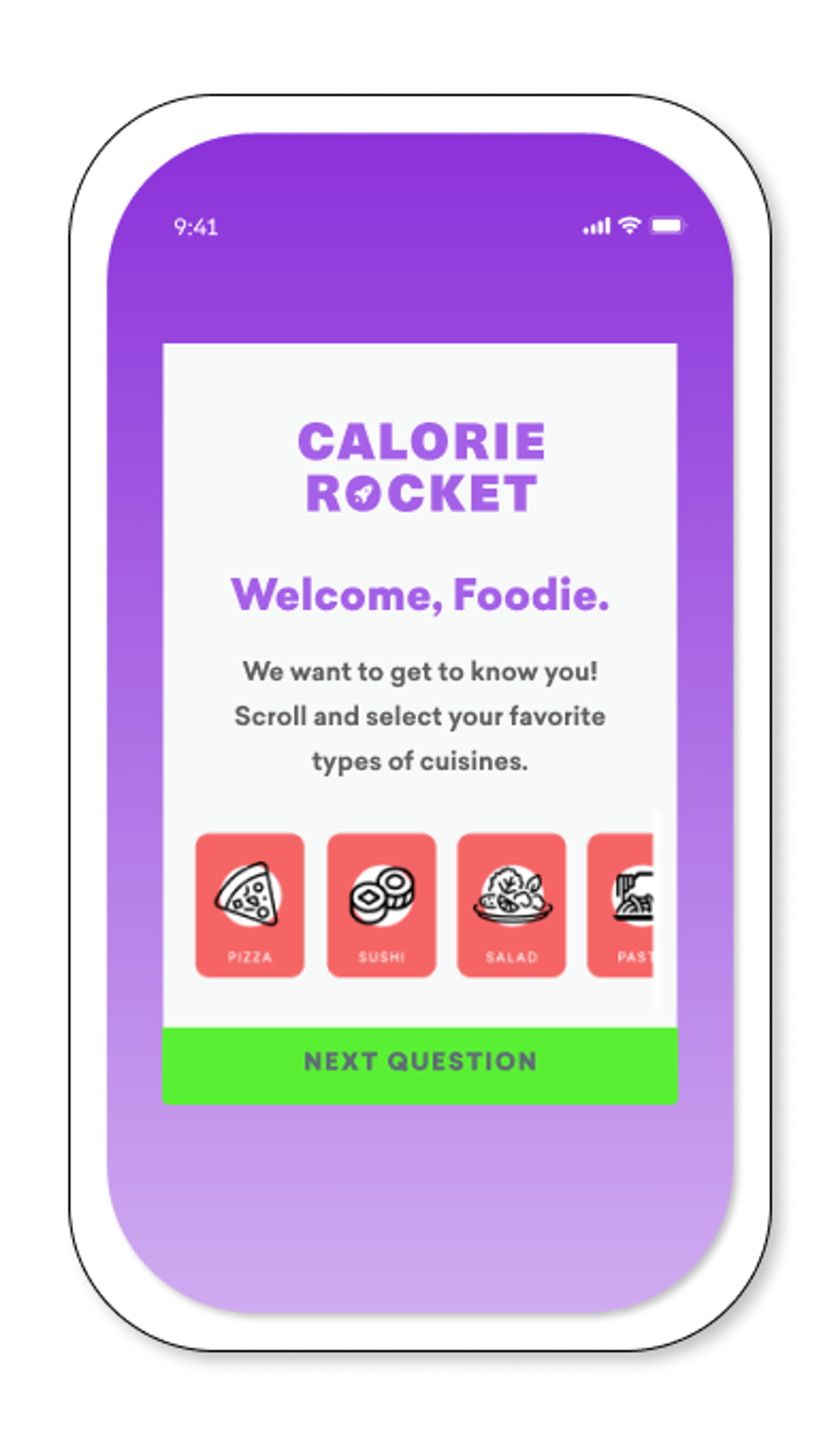
Imagine that a food delivery app sends a survey to new users and collects information about their preferences and favorite cuisine. These kinds of preferences are stored on their user profile.